Virland: The Retro Bold Script for Modern Design
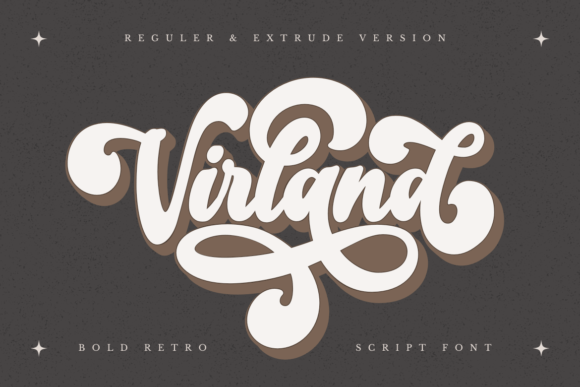
In the vast ocean of available typefaces, finding a font that carries genuine personality without sacrificing utility is a significant challenge. Many script fonts lean too heavily into delicate, fragile aesthetics, while others are so ornate they become illegible. Virland strikes a different balance entirely. It is a retro and bold handwritten script font designed to command attention. It captures a sense of nostalgia, evoking the hand-lettering styles often seen in mid-century advertisements and vintage signage, yet it retains a modern crispness that makes it perfectly suited for contemporary digital and print projects.
Visually, Virland is characterized by its thick strokes and fluid connections. It is not a timid typeface; it possesses a confident, energetic rhythm that flows across the page. The letterforms feature a natural, hand-drawn texture that adds warmth and authenticity to any layout. Unlike rigid geometric fonts, Virland feels organic and approachable. It is the kind of creative font that immediately sets a mood, making it an excellent choice for projects that need to feel personal, artisanal, or energetic. Whether you are a designer looking for a premium font to elevate a client’s brand or a crafter working on a personal project, the visual weight of Virland ensures your message won't be ignored.
Practical Applications for Creative Professionals
Understanding where a font works best is just as important as liking how it looks. The versatility of Virland allows it to shine across a wide spectrum of applications, particularly where display font qualities are required. It excels in environments where text is meant to be read quickly and emotionally, rather than in long-form body copy.
For those involved in brand identity and logo design, Virland offers a distinct advantage. A logo needs to be memorable, and the bold, retro style of this typeface creates instant recognition. It works particularly well for brands in the food and beverage industry, lifestyle blogging, fashion, or artisanal goods. Imagine a coffee shop logo or a boutique clothing tag using Virland; the font immediately communicates a specific vibe of quality and craftsmanship. It pairs surprisingly well with clean sans serif fonts for body text, creating a pleasing contrast between the expressive header and the functional information.
Beyond logos, the font is a powerhouse for editorial design and packaging design. Magazine headlines need to grab a reader's eye from the newsstand or the social media feed. Virland provides that "pop" without needing heavy graphic elements to support it. In packaging, it can guide the consumer's eye to the product name or a key feature, such as "Handmade" or "Organic." Because it is a bold font, it maintains clarity even when printed on textured materials or busy backgrounds.
Digital creators and marketers will also find great utility here. Social media graphics rely heavily on stopping the scroll. A quote overlay, a sale announcement, or a YouTube thumbnail featuring Virland will stand out against the uniformity of standard web fonts. It brings a human element to digital spaces that often feel sterile. Furthermore, for web design, using Virland for hero text or section headers can break up the monotony of standard serif and sans-serif blocks, adding visual interest and guiding the user's journey down the page.
The Mechanics of Typography: Pairing and Readability
While the aesthetic appeal of a handwritten font is subjective, the mechanics of using it effectively are grounded in design principles. One of the most common mistakes creatives make with script fonts is overuse. Virland is a display typeface, meaning it is designed for impact at larger sizes. It is not intended for paragraphs of body copy. If you use a bold script for long text blocks, you risk causing eye strain for your audience, which negatively impacts readability and engagement.
Instead, the goal is to use Virland strategically to establish a visual hierarchy. Use it for the main headline, a pull quote, or a call to action. Then, pair it with a highly legible font for the supporting information. A classic font pairing strategy involves matching a retro script with a geometric sans-serif or a clean slab serif. The contrast between the fluid, organic nature of Virland and the structured geometry of a font like Helvetica or Roboto creates a balanced composition. This balance ensures that your design looks professional and intentional rather than chaotic.
When evaluating fit for a project, consider the personality of the brand. Virland communicates friendliness, creativity, and a touch of vintage nostalgia. It is less suited for corporate law firms or medical institutions that require strict formality, but it is perfect for lifestyle brands, event invitations, and creative portfolios. The font’s ability to influence brand perception is significant; it tells the audience that the brand is approachable and values style.
Technical Advantages and Workflow Integration
For designers and creators, the technical specifications of a font are just as critical as its style. A beautiful font that is difficult to use in software creates friction in the workflow. This is where Virland distinguishes itself as a premium font. It is PUA encoded (Private Use Areas), which is a crucial feature for anyone who works outside of advanced design software like Adobe Illustrator or InDesign.
Being PUA encoded means that all the extra glyphs, swashes, and stylistic alternates are fully accessible. You do not need professional design software to use the fancy swooshes or alternate letter styles. This makes Virland incredibly accessible for hobbyists, small business owners using platforms like Canva, or crafters using software for cutting machines. You can simply copy and paste the special characters directly from your character map, ensuring that you get the full creative potential of the font without technical headaches.
This accessibility broadens the scope of commercial font usage. It allows for seamless integration into packaging design, merchandise creation, and digital assets. Whether you are designing a wedding invitation, a t-shirt graphic, or a website banner, the technical robustness of Virland ensures that the final output looks exactly as intended. It is a reliable design asset that bridges the gap between professional typography and accessible creativity.
Evaluating Fit and Licensing for Commercial Projects
Before integrating any new typeface into a professional toolkit, it is vital to review the licensing terms. Because Virland is positioned as a commercial font, it is built to support business applications. However, users should always verify the specific license they purchase to ensure it covers their intended use cases, whether that is for a single client project, merchandise for sale, or unlimited digital distribution.
When testing the font, it is advisable to prototype your designs. Don't just look at the alphabet in isolation; write out the actual headlines and copy you intend to use. This allows you to check the kerning (spacing between letters) in context and see how the connected script flows with your specific words. Pay attention to the readability at the intended size. While Virland is bold and legible, checking it against different background colors ensures it maintains contrast and accessibility standards.
Ultimately, adding a typeface like Virland to your library is an investment in your design capabilities. It provides a solution for projects that need warmth, energy, and a retro-modern flair. By understanding its strengths—its bold visual presence, its versatility across print and digital, and its technical ease of use—you can confidently apply it to your next project. Whether you are refreshing a brand identity, designing a new line of products, or simply creating engaging content for your audience, Virland offers the character and quality needed to make a lasting impression.