Modern Calligraphy: A Typeface for Timeless Design
There's a particular quality to handwritten script that digital text often struggles to replicate—a sense of human presence, of care taken, of personality flowing through each stroke. Modern Calligraphy captures that essence beautifully. It's a premium font that bridges the gap between vintage charm and contemporary design, offering creators a versatile tool that feels both nostalgic and fresh. If you've ever admired the elegant flourishes of traditional calligraphy but needed something that works in modern branding contexts, this typeface deserves a closer look.
Understanding the Visual Character
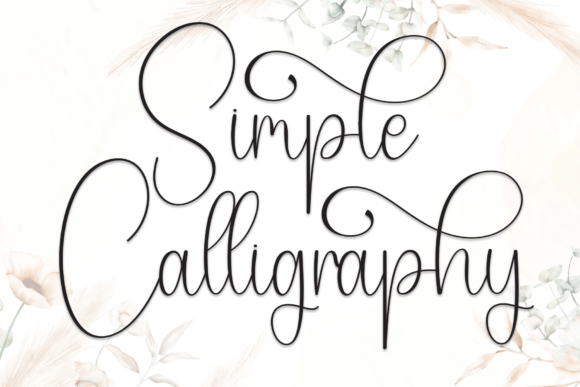
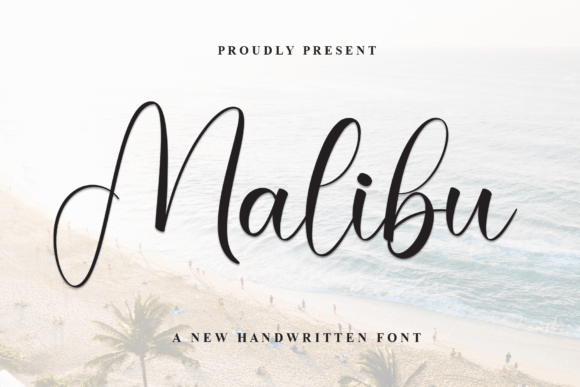
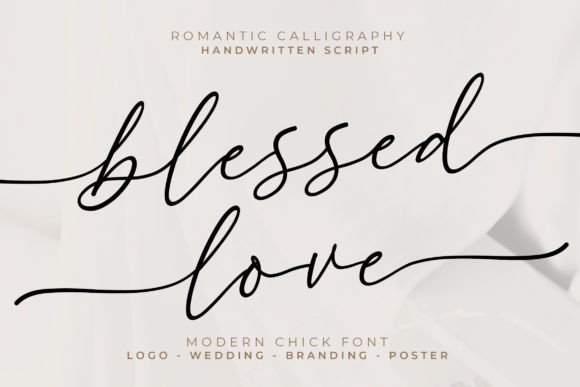
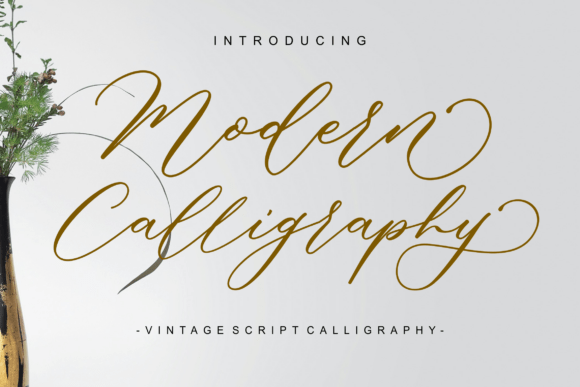
What sets Modern Calligraphy apart from other script fonts is its balance. The strokes flow with a natural rhythm, mimicking the pressure variations you'd see from a pointed pen nib, yet they maintain a consistency that keeps the text legible at various sizes. The swashes are graceful without being excessive, and the letterforms connect in ways that feel organic rather than mechanical. It's the kind of display font that draws the eye without overwhelming a layout.
The personality of this typeface leans toward sophistication and warmth simultaneously. It doesn't carry the stiffness of formal copperplate, nor does it have the casual looseness of a brush script. Instead, it occupies a refined middle ground—one that suggests luxury, romance, and thoughtful craftsmanship. Each character has been carefully designed with attention to weight distribution, curve tension, and the subtle details that separate a good script font from a forgettable one.
Where Modern Calligraphy Truly Shines
Wedding invitations remain one of the most natural homes for a font like this. The flowing strokes evoke ceremony and celebration, setting an emotional tone before guests even read the details. But limiting Modern Calligraphy to stationery would undersell its range considerably.
In logo design, particularly for brands in beauty, fashion, hospitality, food, and lifestyle spaces, this typeface offers immediate personality. A bakery using it for its wordmark communicates artisanal quality. A boutique hotel conveys elegance and attention to guest experience. A skincare brand suggests premium ingredients and careful formulation. The font does meaningful work in shaping brand identity before a single product description is read.
Packaging design is another area where Modern Calligraphy excels. On a wine label, a candle box, or a gourmet food package, the script adds a tactile quality that plain serif or sans serif fonts simply cannot achieve. It tells the consumer that someone cared about the presentation, which often translates into perceived product value.
Digital applications matter too. Social media graphics benefit from the font's visual impact—quotes, announcements, and promotional posts stand out in crowded feeds when rendered in a distinctive script. Website headers, particularly for editorial design or brand storytelling pages, gain warmth and personality. Bloggers and content creators frequently find that a well-placed calligraphic heading increases engagement and time on page.
Making Smart Design Decisions with Script Fonts
Here's where practical experience matters. Modern Calligraphy is a creative font, but it's not suited for every context. Body text in long-form content? Absolutely not. The ornamental qualities that make it beautiful as a display font would make paragraphs exhausting to read. Reserve it for headings, short phrases, logos, pull quotes, and accent text where its elegance can be appreciated without fatiguing the reader.
Font pairing is critical. Modern Calligraphy works exceptionally well alongside a clean sans serif font for contrast. Think of the script as the voice of emotion and the sans serif as the voice of clarity. A serif font can also complement it nicely, especially one with moderate contrast and classic proportions. The key is letting the script breathe—don't crowd it with competing decorative elements.
Visual hierarchy improves when you use this typeface strategically. A wedding invitation might feature the couple's names in Modern Calligraphy at a large size, with event details in a smaller, more neutral typeface. A brand's website might use the script for section headers while keeping navigation and body copy in a straightforward font. This contrast guides the reader's attention and creates a rhythm that feels intentional.
Practical Considerations Before You Commit
Before purchasing any commercial font, test it thoroughly. Type out the specific words and phrases your project requires. Some script fonts handle certain letter combinations awkwardly—check how your brand name, tagline, or key message looks in the actual typeface before committing. Pay attention to kerning between characters and how the connecting strokes flow.
Review what's included with the font family. Quality premium fonts often come with alternate characters, ligatures, and stylistic sets that give you flexibility. Modern Calligraphy may offer multiple versions of certain letters, allowing you to customize the look and avoid repetitive patterns that make script fonts feel generic.
Licensing deserves attention, especially for commercial use. If you're a small business owner using the font on products for sale, in client work, or across commercial platforms, verify that the license covers your intended applications. Most reputable foundries and marketplaces offer clear licensing terms—read them rather than assuming.
Readability testing across devices and sizes matters for web design and digital projects. A script font that looks stunning at 48 pixels on a desktop monitor might become illegible at 24 pixels on a mobile screen. Test at the sizes you'll actually use, and always consider your audience. If accessibility is a priority, ensure that essential information isn't conveyed solely through decorative text.
Elevating Your Creative Projects
Modern Calligraphy functions as more than a design asset—it's a communication tool that shapes how audiences perceive and emotionally connect with your work. Used thoughtfully, it adds a layer of human warmth and artistic intention that modern typography sometimes lacks. Whether you're crafting a brand identity, designing packaging, creating social media content, or working on a personal project, this typeface offers a distinctive voice worth exploring.
The best design choices aren't about following trends. They're about selecting tools that serve the project's purpose and resonate with the intended audience. Modern Calligraphy, with its blend of vintage elegance and contemporary versatility, earns its place in a designer's toolkit not through hype, but through consistent, reliable performance across a remarkable range of applications.