The Stylish Script: Why Malibu Elevates Modern Design
There is a specific challenge in digital design that many of us face: how to convey warmth and personality without sacrificing professionalism. We often rely on clean sans serifs for clarity or traditional serifs for authority, but these can sometimes feel sterile. Enter Malibu, a premium font that bridges the gap between high-end elegance and authentic human connection. It is not just another script font; it is a tool designed to infuse your projects with a distinct, handwritten touch that feels both intentional and incredibly stylish.
Visual Characteristics and Personality
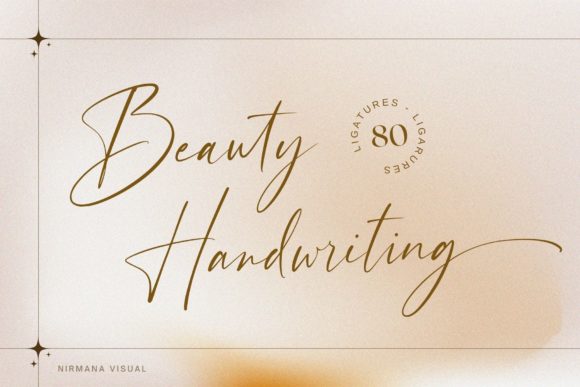
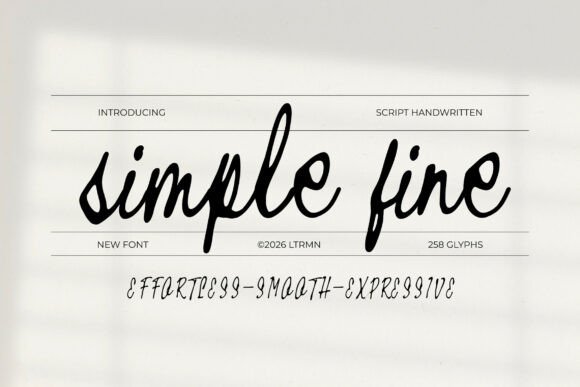
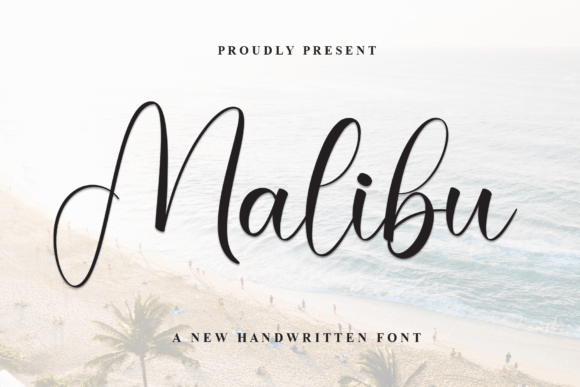
At its core, Malibu is a display typeface defined by its fluid, cursive structure. Unlike overly formal calligraphy fonts that can feel rigid or dated, this font embraces a modern typography aesthetic. The letterforms feature a natural baseline shift and varying stroke widths that mimic the pressure of a real pen on paper. This creates a dynamic rhythm that guides the eye across the page. The swashes are balanced—flourished enough to be elegant, but restrained enough to maintain readability. It strikes that difficult balance between being a creative font that stands out and a functional asset that serves the text.
The personality of Malibu is undeniably sophisticated yet approachable. It whispers luxury without shouting. When you look at the curves of the letters, you see a typeface that understands spacing and kerning, ensuring that the letters flow into one another naturally. This makes it an excellent choice for projects where the brand identity relies on feeling curated and personal. It avoids the chaotic look of some rough, handwritten fonts, offering instead a polished script that feels ready for the red carpet or a high-end boutique.
Where Malibu Shines: Applications and Use Cases
Understanding where to deploy a script font like this is half the battle. Because of its elegant structure, Malibu excels in scenarios where you need to make an emotional impact. Here are some of the most effective applications for this typeface:
- Wedding and Event Stationery: This is the natural habitat for any elegant script. Malibu looks stunning on save-the-dates, wedding invitations, and place cards. It sets a romantic tone immediately, suggesting a celebration that is both stylish and deeply personal.
- Logo Design and Branding: For entrepreneurs in the beauty, fashion, or lifestyle sectors, a handwritten font can be the cornerstone of a brand. Using Malibu for a wordmark logo can help a small business look established and high-end. It suggests that there is a human being behind the brand who cares about aesthetics.
- Packaging Design: If you are designing for a boutique product—perhaps artisanal soap, gourmet chocolate, or specialty coffee—Malibu adds that "hand-crafted" feel. It works beautifully as a secondary font for flavor names or taglines, contrasting well against a clean sans serif used for ingredients.
- Social Media and Web Design: In the fast-scrolling world of Instagram or Pinterest, a script font can stop the thumb. Malibu is perfect for pull quotes, inspirational text overlays on images, or stylized headers on a website landing page. It adds visual hierarchy by breaking up the monotony of standard web text.
Beyond these specific niches, the font is versatile enough for greeting cards, thank you notes, and even editorial design where a touch of personality is needed for drop caps or headers. It turns a standard business card into a memorable keepsake.
The Strategic Value of a Premium Script
Choosing a font is rarely just about what looks "pretty." It is a strategic decision that influences how your audience perceives your message. When you incorporate a premium font like Malibu into your design assets, you are making a statement about quality. Free fonts often come with poor spacing, lack of punctuation, or limited character sets. A professional typeface ensures that your typography is consistent and polished across all mediums.
From a marketing perspective, visual hierarchy is crucial. You cannot have all your text screaming for attention. Malibu works best as the "accent" piece of your design. Imagine a landing page: the main headline is in a bold sans serif, the body copy is in a readable serif font, and the call-to-action or a featured quote is in Malibu. This variation creates a visual pathway for the user, making the content easier to digest and more engaging to read.
Practical Guidance for Designers and Creators
If you are considering adding this typeface to your toolkit, there are a few practical considerations to keep in mind to ensure success.
Font Pairing Strategies
A script font should rarely stand alone for large blocks of text. The most successful designs pair Malibu with a typeface that offers high contrast. A geometric sans serif font (like Montserrat or Lato) works exceptionally well, as the clean, straight lines of the sans serif complement the curves of the script. Alternatively, pairing it with a classic serif font can create a timeless, editorial look suitable for magazine layouts or book covers. Avoid pairing it with other decorative or handwritten fonts, as this creates visual noise and confusion.
Readability and Sizing
Because Malibu is a display font, it is not designed for body text. Using it for long paragraphs will result in eye strain for your readers. Instead, reserve it for headings, sub-headings, or short bursts of text (under 10 words). When setting the size, ensure there is enough "breathing room" (whitespace) around the text. Script fonts with swashes need space to be legible; if you crowd them, the letters will merge into an unreadable mess.
Licensing and Usage
For business owners and content creators, understanding the licensing of a commercial font is vital. Malibu is a professional asset, and using it typically requires a license that covers your specific needs—whether that is for a single client project, a digital product you intend to sell, or a physical product line. Always review the license agreement to ensure your usage is covered, particularly if you are embedding the font in an app or using it on high-volume merchandise.
Final Thoughts on Execution
The true test of a typeface is how it performs in the real world. Before committing Malibu to a full campaign, create a few mockups. Test it on a mobile screen to see if the thin strokes hold up at smaller resolutions. Print it out on the paper stock you plan to use for your invitations or packaging. Does the ink bleed? Does the style match the tactile feel of the material?
Malibu offers a fantastic opportunity to elevate your design work. It provides the elegance of high-end calligraphy with the consistency of a digital font. Whether you are a blogger looking to beautify your headers, a designer crafting a luxury logo, or a crafter making personalized gifts, this typeface delivers a level of sophistication that generic fonts simply cannot match. It is a reminder that in a digital world, a human touch is often the most valuable design element of all.