Papuma Beach: Capturing Coastal Ease in Modern Typography
There is a specific feeling associated with the shoreline—something relaxed, rhythmic, and effortlessly stylish. Translating that sensation into a digital design is often a challenge, but Papuma Beach manages to do exactly that. As a modern handwritten script font, it does more than just present text; it offers an atmosphere. It captures the easygoing elegance of coastal vibes through flowing letterforms that mimic the rhythm of ocean waves. For designers, entrepreneurs, and content creators, finding a typeface that balances casual charm with contemporary sophistication is a significant win, and Papuma Beach delivers precisely that balance.
The Visual Anatomy of a Coastal Typeface
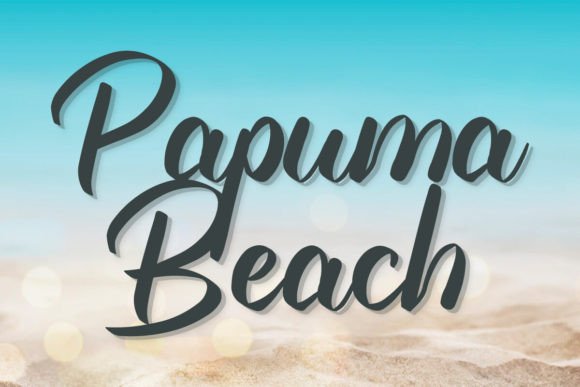
When you first examine Papuma Beach, you notice the fluidity. Unlike rigid sans serif fonts or traditional serif fonts, this script font feels alive. The letterforms connect with a natural flow, avoiding the stiffness that plagues many digital typefaces. It achieves a "written" look without sacrificing legibility, a common pitfall in handwritten font design. The strokes have a modern weight to them—neither too thin to disappear on screen nor too thick to look clumsy. This contemporary weight ensures it works beautifully in current modern typography trends, where clarity is just as important as personality.
The visual appeal lies in its versatility. It possesses a distinct personality that feels approachable rather than aloof. It doesn't scream for attention with wild swashes or illegible loops; instead, it invites the reader in with a friendly, sophisticated tone. This makes Papuma Beach a premium font choice for projects that need to feel personal yet professional. It is the typographic equivalent of a well-designed beach house—clean, airy, and welcoming.
Strategic Applications for Brand and Marketing
Understanding where to deploy a creative font like Papuma Beach is key to maximizing its impact. Because it evokes a specific mood, it shines brightest in contexts where connection and lifestyle are central to the message.
Branding and Identity
For brand identity, this typeface is a strong contender for businesses in the lifestyle, wellness, travel, or fashion sectors. Imagine a boutique hotel logo or a sustainable skincare brand; Papuma Beach provides that instant "lifestyle" signal. It tells the customer that the brand is relaxed, confident, and stylish. In logo design, it works best when kept relatively simple, allowing the natural beauty of the letters to speak for the brand without overcomplicating the mark.
Digital and Print Publishing
In the realm of editorial design and web design, readability is king. However, headers and pull quotes need personality. Papuma Beach excels as a display font for magazine covers, blog post headers, and website hero sections. It draws the eye immediately, creating a strong visual hierarchy that guides the reader through the content. For social media graphics, where grabbing attention in a fraction of a second is crucial, this font adds a layer of polish and trendiness that standard system fonts simply cannot provide.
Packaging and Physical Products
Packaging design is another area where this font thrives. Whether it’s a coffee bag, a candle label, or artisanal goods, Papuma Beach adds a tactile quality to the design. It suggests that the product inside is crafted with care. The flowing nature of the script implies organic ingredients and a handcrafted process, which is a powerful psychological trigger for consumers looking for authentic goods.
Influence on Readability and Audience Engagement
Typography is not just about aesthetics; it is about communication. The choice of typeface directly influences how a message is received. Papuma Beach impacts engagement by lowering the barrier between the brand and the audience. Because it feels human and handwritten, it creates an emotional connection that geometric fonts often miss.
However, as with any script font, context matters. Using it for long blocks of body copy would hinder readability. The strength of Papuma Beach lies in headlines, sub-headers, and callouts. By using it strategically, you create a visual rhythm. You give the reader’s eyes a place to rest and a reason to keep scrolling. This balance of form and function ensures that your design assets look good and perform well.
Practical Implementation: Pairing and Licensing
Integrating a new font into your workflow requires some practical considerations. To get the most out of Papuma Beach, you need to treat it as part of a system rather than a standalone element.
Mastering Font Pairing
The most effective way to use a display font with this much character is to pair it with something neutral. A clean, geometric sans serif font makes an excellent partner. The contrast between the structured sans serif and the flowing script creates a dynamic visual hierarchy. For example, using a bold sans serif for sub-headers and Papuma Beach for the main title creates a sophisticated, layered look. Avoid pairing it with other decorative fonts, as this will lead to visual clutter and confusion.
Evaluating Project Fit and Licensing
Before finalizing your choice, always test the font in your specific environment. Check the kerning (spacing between letters) at the size you intend to use. If you are working on a commercial project, ensure you understand the licensing. As a commercial font, Papuma Beach typically requires a license for use in client work, merchandise, or digital products. Always review the End User License Agreement (EULA) to ensure compliance, especially if you are scaling your business or creating assets for resale.
Readability Testing
Finally, test for readability across different mediums. A font that looks great on a desktop monitor might lose its charm on a small mobile screen. Check the contrast against your background colors. Because handwritten fonts can sometimes appear lighter than bold sans serifs, ensure your text color has enough weight to be read comfortably by all users, maintaining accessibility standards while keeping the design trendy.
Ultimately, Papuma Beach is more than just a collection of glyphs; it is a design tool for building atmosphere. It allows creators to infuse their work with a sense of ease and coastal sophistication, making it a valuable addition to any designer's toolkit.