Barcelona Historia: A Duo Font for Timeless Designs
Understanding the Dual Nature of Barcelona Historia
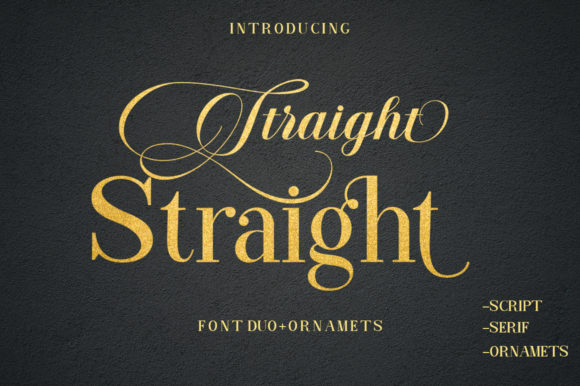
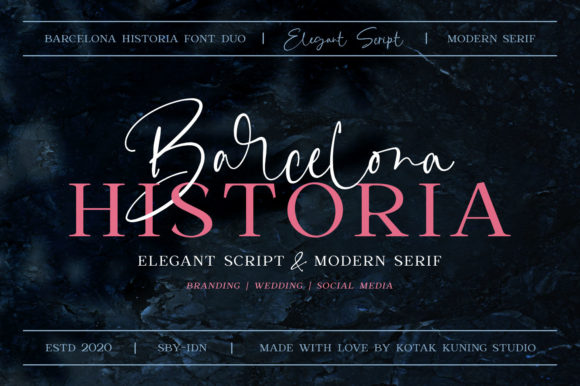
When you first encounter Barcelona Historia, you’re looking at more than just a typeface; you are seeing a relationship between two distinct styles. This premium font isn't a single file—it is a spectacular duo consisting of a structured serif and a flowing script. In the world of modern typography, finding a pair that works in perfect harmony is often the hardest part of the design process. Barcelona Historia solves this by offering a built-in partnership. The serif component provides a sturdy, readable foundation, while the script adds a touch of human elegance and spontaneity.
The visual character of this font is defined by its versatility. It doesn't scream for attention in a chaotic way; rather, it commands respect through sophisticated styling. The serif portion is clean enough for legibility but retains enough personality to avoid looking like standard body copy. The script portion flows with a handwritten font aesthetic that feels organic, not forced. This combination makes Barcelona Historia an incredibly powerful tool for creatives who need to convey both authority and approachability in a single design. It effectively elevates standard layouts to professional standards without requiring complex manual kerning or extensive design experience.
Where Barcelona Historia Truly Shines
The true value of a creative font is measured by its application. Because Barcelona Historia is a duo font, it adapts to a wide pool of projects. If you are working on brand identity, this typeface offers immediate cohesion. You can use the serif for your primary business name and the script for your tagline, creating a balanced visual hierarchy that looks intentional and polished. This is particularly useful for logo design in the lifestyle, fashion, wedding, or boutique sectors, where branding needs to feel personal yet professional.
Beyond logos, consider the impact on packaging design. A product label needs to catch the eye on a crowded shelf. Using the script element for flavor names or special callouts draws the consumer in, while the serif ensures the product description remains readable. For editorial design and publishing, Barcelona Historia works beautifully for magazine covers, book titles, and chapter headings. It provides that high-end editorial look often seen in luxury publications.
- Social Media Graphics: Create engaging quotes, sale announcements, and headers that stop the scroll.
- Web Design: Use it for hero sections and call-to-action areas to add warmth to digital interfaces.
- Print Collateral: Ideal for business cards, invitations, and stationery where tactile quality matters.
For entrepreneurs and small business owners, having a commercial font that covers so many bases is a strategic asset. You don't need to purchase five different typefaces to build a brand kit; Barcelona Historia provides the range needed to maintain consistency across your website, social media, and physical marketing materials.
Practical Guidance for Using This Display Font
Choosing a font is a practical decision as much as an aesthetic one. When evaluating Barcelona Historia for your next project, start by looking at the font pairing potential. While the duo works perfectly together, you will likely need a third font for long-form body text. Because Barcelona Historia has strong personality, pair it with a neutral sans serif font or a simple serif for body copy. This ensures that your headlines pop without overwhelming the reader's eye.
One of the standout technical features of this typeface is that it is PUA encoded. For those unfamiliar with the term, this means the font is fully accessible without requiring specialized design software. You can access all of the glyphs, swashes, and alternates easily through standard character maps on Windows or Mac. This is a massive advantage for crafters and hobbyists who might be using simpler design platforms or cutting machines. You get the full range of the designer's creativity right at your fingertips.
Testing and Implementation
Before finalizing a design, it is always wise to test readability. While Barcelona Historia is a display font meant for headers and titles, you should check how it renders at different sizes. The script elements are beautiful for large headers, but at very small sizes, the intricate details of a script can become muddy. Always view your work at the intended size—whether that is a mobile screen or a printed poster.
Additionally, consider the visual hierarchy of your layout. Use the weight and style variations to guide the viewer's eye. A common mistake is using the decorative script for too much text. Instead, use it strategically for emphasis. Let the serif handle the heavy lifting of subheadings. This approach maintains professionalism and ensures your message is communicated clearly. By leveraging the specific strengths of Barcelona Historia, you can create designs that feel alive, cohesive, and ready for the real world.