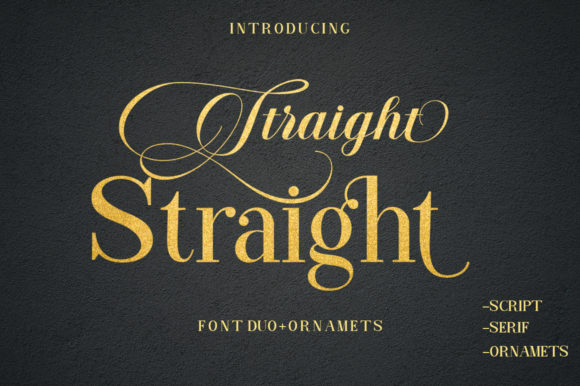
Straight: The Elegant Font Duo for Timeless Design
In a digital landscape saturated with noise, the tools we choose to communicate matter more than ever. Typography isn't just about legibility; it's about voice, emotion, and immediate recognition. When you select a premium font, you are choosing a partner for your brand's story. Straight is one such partner—a sophisticated duo that marries the structured reliability of a serif font with the fluid charm of a script font. It is designed for creators who demand versatility without sacrificing elegance, offering a visual language that feels both professional and deeply personal.
The Anatomy of Elegance: Understanding the Straight Aesthetic
At its core, Straight is a study in balance. The serif component presents itself with clean, geometric lines and a modern sensibility. It avoids the stuffiness of traditional book fonts, opting instead for a crisp, contemporary look that commands attention without shouting. This makes the serif portion of Straight an excellent choice for body text in editorial design or detailed information on packaging design. It holds its own in dense layouts, ensuring your message is read clearly and efficiently.
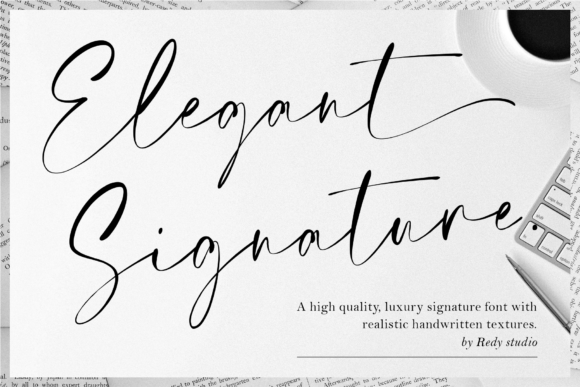
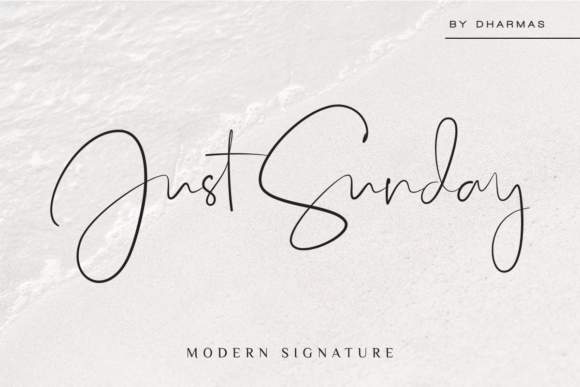
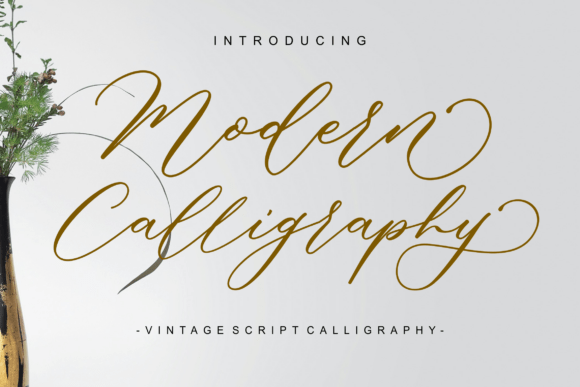
Paired with this is the script component, which brings a human touch to the equation. It isn’t a rough, scratchy handwritten font; rather, it is polished, flowing, and refined. The script carries an air of luxury and care, mimicking the strokes of a skilled calligrapher. When used for headlines, logos, or accent text, it injects personality and warmth into the design. Together, these two styles create a dynamic interplay. You can use the serif to establish authority and the script to inject emotion, or mix them to create a visual hierarchy that guides the viewer’s eye naturally from the headline to the subtext.
Real-World Applications: Where Straight Shines
The true test of a creative font is how it performs in the wild. Straight excels because it bridges the gap between the digital and physical worlds. For brand identity, this font duo is a powerhouse. Imagine a wedding stationery business: the script can handle the romantic invitation text, while the serif manages the RSVP details and registry information with grace. For a boutique skincare brand, the script conveys organic luxury on the bottle label, while the serif provides clear ingredient lists and usage instructions.
In web design and social media graphics, Straight solves the common problem of looking "generic." Many brands fall into the trap of using overused system fonts. By adopting Straight, you instantly elevate your digital presence. The script works beautifully for Instagram quotes or hero images on a website, creating an emotional connection with the audience. Meanwhile, the serif ensures that your blog posts, newsletters, and product descriptions remain highly readable across various screen sizes.
Entrepreneurs and small business owners will find that this font adapts to almost any industry. A bakery might use the script for their logo and the serif for their menu. A tech startup could use the serif for their pitch deck to maintain professionalism, using the script sparingly for accent headers to soften the corporate tone. It is this incredible range that makes Straight a valuable asset in any designer's toolkit.
Mastering the Mix: Practical Tips for Using Straight
Adopting a new typeface requires strategy. To get the most out of Straight, consider how it influences readability and brand perception. The golden rule with script fonts is moderation. Because the Straight script has high contrast and flowing lines, it is best reserved for short bursts of text—headlines, pull quotes, or call-to-action buttons. Overusing a script font for long paragraphs is a common mistake that frustrates readers. Let the serif portion of the font handle the heavy lifting of long-form content.
Font pairing is another critical skill. Since Straight is a self-contained duo, it pairs exceptionally well with itself. However, if you need a third element, such as a sans serif font for UI elements or captions, choose something neutral and geometric. A clean sans serif will provide a modern counterpoint without clashing with the elegance of Straight. When testing your layouts, pay attention to spacing. Script fonts often require tighter kerning than serifs to look cohesive, so take the time to adjust the letter spacing manually for your headlines.
Finally, always consider the licensing. Since Straight is a commercial font, ensure your license covers all intended uses, whether it is for a client's logo, merchandise, or a mobile app. A professional license protects you legally and supports the type designers who create these sophisticated tools. By treating your typography as a serious business asset, you ensure that your visual branding remains consistent, professional, and legally sound across all platforms.
Adding Straight to your collection is more than just acquiring new design assets; it is about equipping yourself with a versatile tool that adapts to the specific needs of each project. Whether you are designing a high-end magazine layout, a cozy coffee shop menu, or a sleek corporate website, Straight provides the structure and flair needed to make your creative ideas come alive.