Where Rustic Charm Meets Modern Elegance: The Garden Typeface
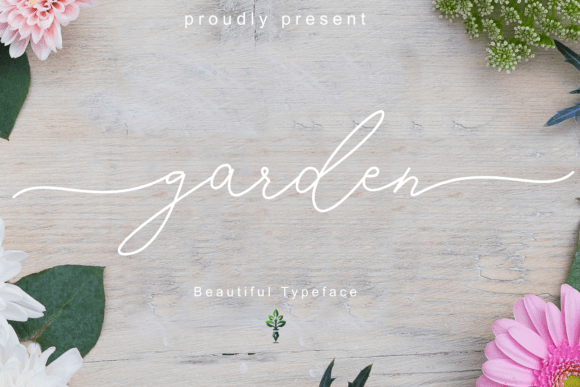
There's a particular kind of design challenge that calls for something beyond the standard sans serif or a classic serif font. You need a typeface that feels personal, yet polished. Human, yet refined. This is the sweet spot where the Garden Font thrives. It’s a premium font that masterfully blends the artistry of handcrafted penmanship with a clean, sophisticated structure. The result is a script font that doesn’t just sit on the page; it communicates a feeling of warmth, care, and upscale charm.
At its heart, Garden is a handwritten font, but calling it that alone doesn’t do it justice. Its letterforms flow with the natural rhythm of a skilled hand, avoiding the overly rigid or digitally perfect look that can make some script typefaces feel cold. The connections between letters are fluid, and the overall texture has an organic quality that’s instantly appealing. Yet, it’s carefully crafted to maintain legibility, a crucial factor for any display font intended for more than just a headline. This balance makes it a versatile creative font for a wide array of projects.
Practical Applications: From Wedding Invites to Brand Logos
The true test of a typeface is how it performs in the wild. Garden’s personality makes it exceptionally well-suited for projects where emotion and connection are key. Think of the most memorable wedding invitations you’ve seen; often, the typography sets the entire tone. Garden’s elegant script can convey romance and celebration without feeling stuffy or outdated. It’s equally at home on heartfelt thank-you cards, inspirational quotes for social media, or the packaging for a boutique candle brand.
Beyond personal stationery, this modern typography finds a powerful place in commercial design. For small business owners and entrepreneurs, a distinctive logo design is everything. Garden can lend an artisan, boutique feel to a brand identity—perfect for a florist, a custom bakery, a wellness coach, or a high-end craft studio. Its streamlined design ensures it translates well onto business cards, product tags, and website headers, maintaining a professional atmosphere while still feeling approachable.
Consider these specific uses where Garden can elevate your work:
- Editorial Design: Use it for pull quotes or chapter headings in a cookbook or lifestyle magazine to add a personal touch.
- Packaging Design: Create labels for artisanal goods, cosmetics, or gourmet foods that need to convey quality and care.
- Social Media Graphics: Craft engaging Instagram stories, quote cards, or promotional posts that stand out in a busy feed.
- Web Design: Implement it sparingly for key headlines or call-to-action buttons to guide the eye and inject personality.
Making It Work: Font Pairing and Design Strategy
A beautiful font is a tool, and using it effectively is about strategy. One of the most common questions is about font pairing. Because Garden has such a strong personality, it pairs best with clean, neutral companions. A simple, geometric sans serif font for body text provides a perfect counterbalance, ensuring your message remains clear and easy to read. Alternatively, a classic serif font can create a more traditional, layered hierarchy. The key is to let Garden be the star for headlines, logos, or short, impactful phrases, and use your secondary font for longer passages.
Before committing, always test the font in context. Type out your actual headline, not just "Lorem ipsum." Check the spacing between letters (kerning) and how the characters connect in your specific words. Does it feel balanced? Is it legible at the intended size, whether on a mobile screen or a printed brochure? This practical evaluation is more valuable than any theoretical description.
Another significant advantage of a well-built commercial font like Garden is the included extras. Often, these typefaces come with alternate characters, ligatures, and ornamental swashes. These aren’t just decorative; they allow you to customize the look, avoid repetitive letter shapes, and add unique flourishes to truly make the design your own. Checking the full character map before you start can unlock new creative possibilities you hadn’t considered.
Ultimately, choosing a typeface like Garden is about aligning your visual voice with your project’s goals. It’s a design asset that can significantly influence brand perception