Nesting: The Gentle Script Font for Modern Designs
Finding a font that feels both contemporary and timeless can be a real challenge. You want something with personality that doesn't overpower your message. You need a typeface that communicates warmth and professionalism in equal measure. This is where Nesting, a serene and stylish handwritten script font, enters the conversation. It’s not just another script font; it’s a design asset built to bring a specific kind of calm sophistication to your projects. Its graceful curves and gentle strokes create an atmosphere of quiet elegance, making it a compelling choice for anyone looking to add a human, refined touch.
The Visual Character: More Than Just Letters
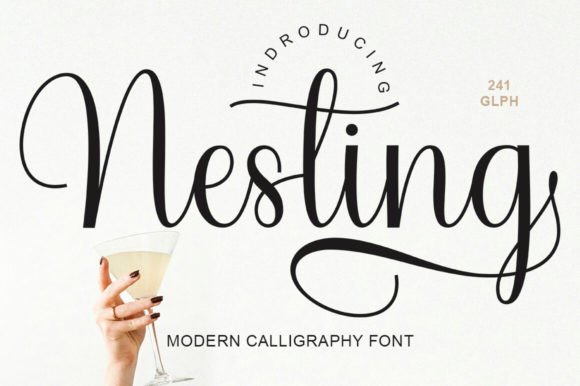
At first glance, Nesting presents a harmonious blend of modern sensibility and classic calligraphic influence. The letterforms are characterized by smooth, flowing connections and a consistent, gentle rhythm. Unlike more chaotic or rustic handwritten fonts, Nesting maintains a high degree of legibility. Its x-height is generous, ensuring that words remain clear even at smaller sizes. The strokes have a subtle, natural weight variation, mimicking the pressure of a real pen on paper without becoming overly dramatic. This balance is key. It avoids the sterile feel of a standard sans serif font while steering clear of the informal, sometimes messy, appearance of casual scripts.
The overall personality of Nesting is approachable and trustworthy. It doesn’t shout for attention with sharp angles or extreme flourishes. Instead, it invites the reader in with its soft, rounded terminals and thoughtful spacing. This makes it an exceptionally versatile script font. It can serve as a beautiful display font for headlines and logos where you want to make a gentle statement, or it can be used for shorter blocks of text in editorial layouts where a touch of warmth is needed. When considering your brand identity, Nesting communicates care, attention to detail, and a sense of personal connection.
Practical Applications: Where Nesting Truly Shines
Understanding a font’s aesthetic is one thing; knowing where to apply it is where the real value lies. Nesting’s strength is in its adaptability across a wide spectrum of creative fields. For logo design, it offers a distinctive yet readable option for boutique brands, wellness studios, artisanal products, and personal blogs. It lends an air of authenticity and craftsmanship. In packaging design, especially for gourmet foods, cosmetics, or handcrafted goods, Nesting can elevate the unboxing experience, suggesting the product inside is made with care.
Within editorial design and publishing, this typeface works wonderfully for magazine pull quotes, chapter titles in books, or headers on lifestyle blogs. It adds a human element that breaks the monotony of standard body text. For web design and social media graphics, Nesting is a powerful tool. Its clean lines render beautifully on screens, making it ideal for Instagram quotes, Pinterest pins, website banners, and call-to-action buttons where you want a friendly, engaging tone. Small business owners and marketers will find it invaluable for creating cohesive visuals that feel personal and professional, helping to build audience recognition and trust.
Integrating Nesting into Your Design Workflow
Choosing a font is a strategic decision. Here’s how to approach integrating Nesting effectively. First, evaluate the project fit. Is the goal to convey elegance, approachability, and modernity? If so, Nesting is a strong candidate. It pairs exceptionally well with clean, neutral sans serif fonts for body copy, creating a balanced and readable hierarchy. For a more traditional feel, it can also complement a classic serif font. Experiment with these font pairings in your design mockups to see how the visual conversation between the fonts plays out.
Next, review the included styles. A quality premium font like Nesting often comes with more than just the base script. Look for stylistic alternates, swashes, or ligatures. These extras allow you to customize the look further, tailoring the letterforms to perfectly suit a logo or a headline, adding a unique flair that isn’t possible with standard characters. Always test for readability. Place your chosen text in its intended context—a website header, a product label, a social media post—and view it at actual size. Check the spacing between letters and words. Ensure the connections between characters don’t create unintended visual clumps, especially at smaller scales.
Finally, understand the licensing. Since Nesting is a commercial font, ensure your license covers all intended uses, whether for digital, print, client work, or merchandise. Using fonts correctly protects your work and supports the type designers who create these valuable design assets. By taking these practical steps, you move beyond simply liking a font to strategically leveraging it as a core component of your visual communication, ensuring consistency and professionalism across every touchpoint.