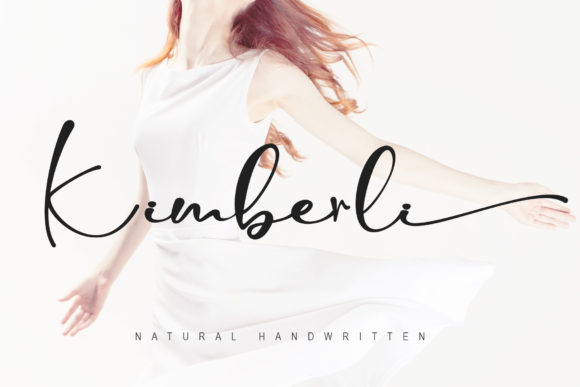
Kimberli: Crafting Romance and Authenticity in Your Designs
There is a specific moment in a design project where you realize the standard sans-serif font isn't cutting it. You are working on a wedding invitation, a boutique coffee label, or a lifestyle blog header, and the text feels cold, mechanical, and disconnected from the human element you are trying to convey. This is where a handwritten font like Kimberli steps in to bridge the gap between typography and emotion. Kimberli is not just a collection of letters; it is an enchanting script font designed to inject a genuine, romantic feel into your creative work.
As a designer or content creator, you know that typography is the voice of your visual content. While serif fonts convey tradition and sans serif fonts suggest modernity, a premium font like Kimberli offers a personal whisper. It mimics the fluidity of natural handwriting, bringing a warmth that digital text often lacks. Whether you are a small business owner looking to humanize your brand identity or a crafter working on a personal project, understanding how to utilize this typeface effectively can elevate your work from looking "made" to feeling "crafted."
The Visual Personality of Kimberli
When you first look at Kimberli, you notice the flow. It possesses a distinct rhythm that mimics a steady, elegant hand holding a brush or pen. Unlike some display fonts that prioritize shock value or extreme stylization, Kimberli balances flair with legibility. The letterforms connect in a way that feels organic, featuring smooth curves and a slight slant that suggests movement and energy. It is the typographic equivalent of a handwritten love letter—intimate, expressive, and undeniably human.
However, the real power of this creative font lies in its versatility. It is classified as a script font, but it avoids the trap of being overly "fancy" or illegible. It sits in a sweet spot between casual handwriting and formal calligraphy. This makes it an excellent choice for projects that need to feel approachable yet sophisticated. It doesn't scream for attention; it invites the viewer in.
Unlocking Potential with PUA Encoding
One of the most practical features of Kimberli is its technical construction. It is fully PUA encoded (Private Use Areas). For those less familiar with the technical side of modern typography, this is a significant advantage. It means that all of the extra stylistic elements—swashes, ligatures, and alternate characters—are accessible even if you don't have professional design software like Adobe Illustrator or Photoshop.
This feature is a game-changer for small business owners using platforms like Canva or PicMonkey. You can easily access the beautiful glyphs to customize the look of the text. Perhaps you want a specific tail on the letter "g" for your logo design, or a more decorative capital "K" for a headline. With PUA encoding, these design assets are at your fingertips, allowing you to create unique variations that prevent your text from looking generic.
Strategic Applications: Where Kimberli Shines
Choosing a font is a strategic decision. You wouldn't use a heavy metal typeface for a yoga studio, nor would you use a sterile corporate font for a bakery. Kimberli excels in specific environments where connection and aesthetics are paramount.
In editorial design and packaging design, this typeface can serve as a powerful tool for hierarchy. Imagine a skincare label: the ingredients list is in a clean, readable sans-serif, but the product name—say, "Lavender Dreams"—is rendered in Kimberli. This immediately signals to the customer that the product is artisanal, natural, and personal. It elevates the perceived value of the product before the customer even reads the description.
For digital creators, social media graphics are often a battle for attention. A bold, romantic display font like Kimberli can stop the scroll. It works beautifully for quotes, announcements, and promotional headers on Instagram or Pinterest. Because it has a high "x-height" and clear character separation, it remains readable even on smaller mobile screens, provided it is used for headlines rather than body copy.
Branding and Web Design
In web design, user experience is king. While you should rarely use a handwritten font for long paragraphs of body text (which hinders readability), Kimberli is perfect for landing page headers, call-to-action buttons, or pull quotes. It draws the eye to the most important information and adds a layer of personality to a digital interface.
For entrepreneurs building a brand identity, consistency is key. If your brand voice is warm, welcoming, and romantic, Kimberli can become a cornerstone of your visual language. It pairs exceptionally well with a geometric sans serif font. The contrast between the rigid, mathematical lines of the sans-serif and the organic, flowing nature of the script creates a dynamic font pairing that feels both professional and approachable.
Practical Guide to Using Kimberli
As with any commercial font, there are best practices to ensure you get the most out of your investment. Here is a practical checklist for integrating Kimberli into your workflow:
- Evaluate the Hierarchy: Use Kimberli for H1 and H2 headings, or for specific call-out text. Do not use it for body paragraphs. The eye tires quickly when reading extended passages of script text. Let it be the accent, not the foundation.
- Test Your Pairings: Before finalizing a design, test Kimberli against different fonts. It creates a beautiful contrast with a clean serif like Playfair Display for a vintage vibe, or with a minimalist sans-serif like Montserrat for a modern look.
- Check the Spacing: Script fonts often require manual kerning (adjusting the space between letters). Because the letters in Kimberli connect, ensure that the connections look natural and that there are no awkward gaps or overlaps.
- Review the Glyphs: Take the time to look at the full character map. You might find alternate versions of letters that fit your specific layout better than the standard keys.
- Licensing: Always ensure your usage falls within the font’s license. If you are using it for a client’s logo design or on merchandise for sale, verify that the license covers commercial use.
Readability and Color
When working with a creative font like Kimberli, color contrast is vital. Because the strokes of the font are thinner than a bold sans-serif, placing it on a busy background can cause it to disappear. Always ensure high contrast between the text and the background. White text on a dark image works well, provided the image isn't too "noisy." Alternatively, use a solid color block behind the text to ensure the romantic curves of the typeface are fully visible.
Final Thoughts on Typography and Emotion
Typography is often the unsung hero of design. It sets the mood before a single word is read. Kimberli is more than just a premium font; it is a tool for storytelling. It allows bloggers, marketers, and designers to step away from the rigid grid of standard web fonts and introduce a human touch.
In a digital landscape that can often feel automated and impersonal, using a handwritten font signals that there is a human behind the screen who cares about aesthetics and detail. Whether you are designing a wedding suite, packaging a new product, or building a website for a boutique client, Kimberli offers a reliable, elegant, and emotionally resonant solution. It proves that even in modern typography, the art of the handwritten word still holds immense power.