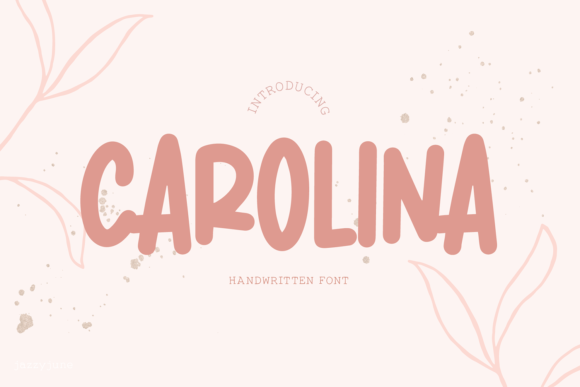
Carolina: A Bold Script Font for Creative Projects
There’s a certain kind of energy that a great script font brings to a design. It feels personal, immediate, and full of character. You see it on a coffee shop menu and it feels warm and welcoming. You spot it on a product label and it suggests something crafted with care. This is the space where Carolina lives. It’s a premium font that doesn’t overcomplicate things. Its strength is in its simplicity—a bold, confident script that feels both modern and approachable. If you work with words and visuals, understanding a typeface like Carolina is about adding a versatile tool to your creative kit.
Understanding Carolina's Visual Personality
Carolina presents itself as a bold and simple script font. Let's break down what that means in practice. The “bold” aspect gives it a strong presence on the page or screen. It doesn’t shy away; it commands attention without being loud or aggressive. The letterforms have a confident weight, making them effective for headlines and short bursts of text where impact is key. The “simple” part is equally important. Unlike highly ornate or decorative scripts that can become illegible, Carolina maintains clarity. The connections between letters are smooth and logical, and the overall flow feels natural, like a confident, quick pen stroke.
This combination results in a typeface with a friendly, energetic, and slightly informal personality. It avoids the stiffness of corporate fonts and the overly whimsical feel of some handwritten fonts. Instead, it strikes a balance that feels authentic and versatile. The style leans into a modern aesthetic—it doesn’t look like a relic from another era. This makes it a fantastic creative font for projects aiming for a contemporary, human touch. Think of it as the typographic equivalent of a firm handshake and a genuine smile: it makes a strong first impression that’s also inviting.
Where Carolina Truly Shines: Practical Applications
The real test of any design asset is how it performs in the wild. Carolina’s straightforward character makes it adaptable across a surprising range of projects, moving beyond the obvious to become a workhorse for specific needs.
Branding and Logo Design
For logo design, especially for brands in the lifestyle, beauty, food, or artisanal space, Carolina is a compelling choice. Its script nature injects personality and a sense of craftsmanship directly into the core of a brand identity. A bakery, a boutique florist, or a handmade cosmetics line could use it as their primary logotype to immediately communicate a handmade, personal quality. The key here is context. Paired with a clean, geometric sans serif font for body text, Carolina can form the foundation of a brand system that feels both distinctive and professional.
Packaging and Product Design
Walk down any grocery aisle and you’ll see script fonts at work, signaling everything from organic goodness to gourmet indulgence. Carolina excels in packaging design for this reason. Its bold weight ensures product names and key phrases (like “Small Batch” or “Family Recipe”) pop off the label, even on a crowded shelf. Its simplicity ensures it remains legible at various sizes, from a large package title to a smaller ingredient callout. It’s a commercial font that understands the practical demands of retail environments.
Digital Presence and Social Media
In the fast-scrolling world of social media, grabbing attention is everything. Carolina works beautifully for social media graphics—Instagram quote cards, Facebook event announcements, Pinterest pins. It adds a layer of visual interest and personality that a standard serif or sans serif might lack, helping posts feel more curated and engaging. For web design, it’s best used strategically. It’s not a font for long paragraphs of text. Instead, it’s perfect for hero section headlines, special promotional banners, or newsletter sign-up prompts where you want to inject a moment of warmth and direct address.
Editorial and Print Projects
In editorial design, such as magazine layouts, lookbooks, or event programs, Carolina can serve as a powerful display font. It’s ideal for pull quotes, chapter titles, or section headers that need to break the monotony of body text and guide the reader’s eye. For wedding invitations, menus, or event signage, it provides that essential touch of elegance and personal flair without sacrificing readability. It pairs exceptionally well with a sturdy serif font for body copy, creating a classic and readable hierarchy.
Making the Most of Carolina: A Designer's Guide
Choosing a font is just the first step. Using it effectively is where the craft comes in. Here’s how to integrate Carolina into your workflow with confidence.
Evaluating Fit and Testing Pairings
Before you commit, ask: does this font’s personality match my project’s voice? Carolina is friendly and bold, so it’s a poor fit for a legal firm’s annual report but a great fit for a new juice bar’s branding. The most critical step is font pairing. Because Carolina is a script, it needs a partner that doesn’t compete. Your best bets are neutral, clean typefaces. A classic sans serif like Helvetica, Futura, or Open Sans provides a modern, clean counterpoint. A traditional serif like Garamond or Baskerville creates a more elegant, timeless dialogue. Always test pairings in context—see them together in a mock-up of your actual project.
Understanding Styles and Licensing
Check what’s included with your premium font purchase. Does Carolina come with alternate characters? Swashes? These extras can be gold for customizing your designs and avoiding a generic look. Equally important is the licensing. If you’re using it for a client project, merchandise, or a product you sell, you need to ensure you have the correct commercial font license. Reputable foundries are clear about this—using a font beyond its licensed terms is a serious issue. Always read the EULA (End User License Agreement).
Prioritizing Readability and Hierarchy
Even the most beautiful font fails if people can’t read it. Carolina’s simplicity is its ally here, but context matters. Avoid setting body copy in script. Use it for headlines, short phrases, and accents. Ensure there’s enough contrast with the background (black on white is safest, but a dark gray on a light background works). Use size and weight to create a clear visual hierarchy. Let Carolina be the star of your headline, and allow your chosen sans serif or serif to handle the supporting information. This creates a professional, balanced design that respects the viewer’s time and attention.
Ultimately, a font like Carolina is more than just a set of letters. It’s a mood, a tone, a piece of modern typography that can help tell your story. By understanding its strengths—a bold yet simple script with wide appeal—and applying it thoughtfully, you can elevate everything from a brand identity to a social media post, making your work feel more personal, polished, and engaging.